Complete Guide to Roof Leak Prevention and Snow Load Rules Across New York State
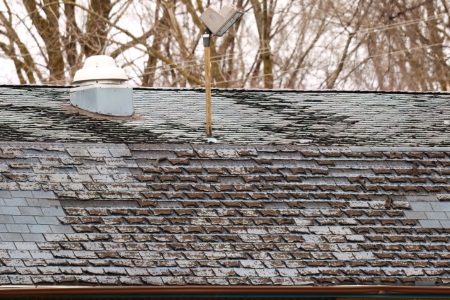 New York weather tests every roof. Nor’easters push wind-driven rain. Heavy, wet snow settles fast, then a thaw sends water into weak spots. This guide explains practical, professional steps for roof leak prevention in New York State homes and how snow loads affect your roof. If you are concerned about winter performance, schedule a professional check through our roofing and gutters to prepare before the first storm arrives. New York weather tests every roof. Nor’easters push wind-driven rain. Heavy, wet snow settles fast, then a thaw sends water into weak spots. This guide explains practical, professional steps for roof leak prevention in New York State homes and how snow loads affect your roof. If you are concerned about winter performance, schedule a professional check through our roofing and gutters to prepare before the first storm arrives.
Why Roof Leaks Happen In New York Homes
Our climate swings from humid summers to freezing winters. That movement opens seams, shrinks sealants, and stresses gutters. Coastal winds in Queens, Brooklyn, and Staten Island drive rain under shingles and into flashing joints. Farther north and west, lake-effect snow stacks up, then melts, then refreezes.
Common weak points include aging flat roofs on rowhouses, skylight curbs, brick parapet caps, step flashing along walls, and valleys where two roof planes meet. Gutters and downspouts that are undersized or clogged send water over the edge, soaking fascia, siding, and foundations.
Never ignore an active leak. Even a small stain can hide wet sheathing, rusted fasteners, and insulation that no longer performs. Mold follows moisture, and ceilings can sag without much warning.
Snow Load Basics For New York State Homes
Snow load is the weight of snow and ice a roof must safely support. It changes with elevation, distance from the coast, and exposure to wind. Downstate areas often see wet, dense snow that is heavy even at modest depths. Upstate regions can face long snow seasons and drifting on leeward roof sections.
How Codes And Ratings Work
New York communities follow adopted building codes that reference national standards for roof design and snow loads. Local officials use regional data to set design expectations for new work. Existing homes vary by age, materials, and roof shape. When replacing or upgrading a roof, your contractor matches materials and fastening patterns to the expected conditions and the home’s structure. If you have a complex roof, structural review may be recommended before re-roofing.
What Homeowners Should Know
- Snow load is about weight, not just depth. Wet snow and ice weigh more than dry, powdery snow.
- Drifts build behind chimneys, dormers, and parapet walls. These localized piles can stress a small area.
- Ventilation and insulation help limit ice dams by keeping the roof deck temperatures more even.
Local tip: Nor’easters can load one side of a roof much more than the other. After a major storm, look for uneven snow or tall ridges near roof edges. If you see unusual sagging or hear creaks, prioritize a professional assessment right away.
Prevention Plan You Can Put On The Calendar
Prevention is about timing and paying attention. Your roof and gutters experience the same seasons every year. A simple plan keeps you ahead of leaks and winter stress without guesswork.
Seasonal Benchmarks
- Late Summer To Early Fall: Ask for a full roof and gutter inspection focused on flashing, penetrations, and drainage pathways. Replace worn sealants and damaged shingles before cold weather.
- Late Fall: Confirm that gutters, downspouts, and leaders are clear and properly pitched. Make sure water discharges away from the foundation.
- Midwinter Thaw: After the first big thaw, check interior ceilings and exterior walls for new stains or damp areas.
- Spring: Inspect for lifted shingles, cracked pipe boots, and granule loss from winter storms.
Schedule roof and gutter inspections before winter. This timing lets a pro correct small issues while materials and adhesives work best. For ongoing support, many homeowners choose routine service through a trusted remodeling contractor so nothing gets missed year to year.
Roof Types Around New York And What That Means For Leaks
Flat And Low-Slope Roofs
Many city homes and mixed-use buildings use membranes or built-up systems. Penetrations for HVAC, vents, and satellite mounts must be sealed and reinforced. Parapet walls and coping stones can crack or shift, letting water behind the surface where it travels far from the source before showing up indoors.
Asphalt Shingle Roofs
Detached homes in northern Queens, the Bronx, and Westchester often rely on asphalt shingles. Wind ratings matter along the coast. Starter strips, underlayment laps, and ridge caps are common failure points when storms hit. Proper intake and exhaust ventilation help reduce attic moisture that leads to deck rot.
Slate, Tile, And Specialty Roofs
Historic brownstones and prewar homes sometimes use slate or clay tile. These roofs can last for decades but require correct flashing details and specialty repair methods. Snow guards and safe snow management are part of the plan to protect valleys and gutters.
Gutters, Downspouts, And Ice Dams
Gutters do more than catch rain. In winter, they receive meltwater from warmer parts of the roof and from sunlit slopes. If outlets are undersized or leaders are blocked, water backs up and freezes at the eaves, which can contribute to ice dams and leaks under shingles.
Ask a pro to confirm gutter sizing, outlet placement, and leader routes that keep water away from the house. Guards can reduce debris, but they still need seasonal checks. On flat roofs, internal drains need reliable strainers and secondary overflows to prevent ponding during rapid freeze-thaw cycles.
If you are also planning exterior updates, coordinated work with a single team saves time. Explore how a full-service remodeling contractor can align roofing and gutter improvements with fascia, soffits, and siding upgrades so everything performs together.
When To Call A Pro And What To Expect
Call right away if you notice new ceiling stains, damp insulation smells, peeled paint near the ceiling line, or water inside light fixtures. Visible shingle loss, sagging gutters, loose downspouts, or debris piled against scuppers are also reasons to act quickly. Keep people and pets away from any area with ceiling sagging until a professional assesses the structure.
Storm Response
After high winds or heavy snow, a trained crew checks the roof surface, flashing, and drainage system as a whole. They look for displaced materials, punctures, and trapped moisture. Document storm damage with dates and photos, then contact your insurer and your contractor to coordinate next steps.
What A Professional Inspection Covers
Expect a rooftop review of membranes or shingles, condition of flashing and counterflashing, seals at vents and skylights, and ventilation balance in attics or roof cavities. A quality team also evaluates gutters, downspouts, and downspout terminations, because leak prevention is not complete without reliable drainage.
To set up a seasonal roof review, reach out to Frank R Kennedy & Son Construction for roof repair and gutter service that matches your home’s roof type and exposure.
Local Notes For New York Neighborhoods
Coastal edges of Brooklyn, Queens, and Long Island feel stronger winds and salt in the air, which can speed up corrosion on fasteners and metal flashing. Westchester and northern suburbs see more freeze-thaw cycles and tree overhang that sheds twigs and leaves into gutters. Staten Island and the South Shore often deal with wind-driven rain that tests every seam and joint.
In attached homes and rowhouses, party walls and parapets must shed water cleanly on both sides. Older brick needs sound coping and sealed joints. For multifamily buildings and co-ops, plan enough lead time for approvals and access so scheduled work is efficient and does not stretch into cold snaps.
Materials And Details That Boost Performance
Underlayments And Flashing
High-quality underlayments and properly layered flashing at chimneys, walls, and valleys protect the most vulnerable areas. On low-slope roofs, reinforced membranes and correctly placed terminations reduce the chance of edge failures in high winds.
Ventilation And Insulation Balance
Balanced intake and exhaust help manage attic moisture and temperature swings that lead to condensation, deck movement, and ice dam risk. Insulation levels should complement ventilation so warm air does not collect under the roof deck.
Drainage Capacity
Right-sized gutters, clear outlets, and leaders that discharge away from the house keep meltwater moving. On flat roofs, maintenance of drains and scuppers is part of every service visit. These details are simple to verify during a scheduled check and pay off during the first big storm of the season.
Planning A Project With A Remodeling Contractor
When your roof and gutters are part of a larger update, coordination matters. A remodeling contractor can sequence roofing, fascia, soffits, and exterior trim so flashings integrate cleanly and paint or cladding does not block drainage paths. This approach reduces call-backs and extends the life of every piece that touches your roofline.
If you are mapping out improvements across the year, start with weather-critical work first. Roofing and drainage come before cosmetic items. Then windows, siding, and interior finishes can follow once the building shell is tight.
If you are looking for basement remodeling help in the Albany area, give us a call today at 518-432-9298 or complete our online request form.
|