Albany Gutter & Fascia Repair: Stopping Structural Wood Rot Before the Next Upstate Winter
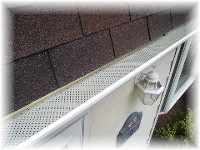 If you and your family are some of the many homeowners out there who find themselves in a position where you are starting to outgrow the living space your home is able to provide, or you are just in need of a bit of a functional update to your home, a brand new home addition might be a project worth looking into. While many homeowners confronted with this kind of situation tend to think that moving is really the only option on the table, a brand new home addition might just be able to provide you with exactly what you need from your existing home and let you avoid the hassle of having to pack up and move the whole family. If you have never considered the many benefits that a brand new home addition could bring to you and your family, or you are still on the fence about whether or not it is the right project for your home, we invite you to take a quick read through this short article our team of professional Albany remodeling contractors have put together. In it, we will go over just a few of the most notable benefits that a home addition can bring, and why it could be a great investment for your home. If you and your family are some of the many homeowners out there who find themselves in a position where you are starting to outgrow the living space your home is able to provide, or you are just in need of a bit of a functional update to your home, a brand new home addition might be a project worth looking into. While many homeowners confronted with this kind of situation tend to think that moving is really the only option on the table, a brand new home addition might just be able to provide you with exactly what you need from your existing home and let you avoid the hassle of having to pack up and move the whole family. If you have never considered the many benefits that a brand new home addition could bring to you and your family, or you are still on the fence about whether or not it is the right project for your home, we invite you to take a quick read through this short article our team of professional Albany remodeling contractors have put together. In it, we will go over just a few of the most notable benefits that a home addition can bring, and why it could be a great investment for your home.
Albany winters are tough on roof edges. Freeze–thaw cycles, wind-driven rain, and heavy snow can turn a small gutter leak into fascia rot that spreads fast. If you notice staining on the soffits, peeling exterior paint, or a bowed trough after a storm, our roofing & gutters team can help you get ahead of the problem before the 2026–27 cold season.
At Frank R Kennedy & Son Construction, we repair gutters and replace damaged fascia so your home can shed water the way it should. From Center Square and Pine Hills to Loudonville and Colonie, we see the same pattern: once water gets behind the gutter, wood stays wet, and rot follows. The sooner we correct slope, secure hangers, and restore solid backing, the longer your roof edge will last.
Why Gutter And Fascia Problems Accelerate In Albany Winters
Autumn leaves clog downspouts. Early snow arrives, melts in a warm spell, then refreezes overnight. That cycle forces standing water to creep behind gutter runs and into the fascia. When nights dip below freezing in November and December, minor leaks turn into ice that pries fasteners loose and opens seams.
Homes near tree-lined streets like Delaware Avenue or New Scotland Avenue collect airborne debris that traps moisture. Add a nor’easter or lake-effect clipper, and you have the perfect setup for overflow, staining, and soft wood along the eaves.
- Dark streaks on soffits or siding after rain
- Drips from end caps or behind the gutter instead of the downspout
- Wavy, sagging, or pulling gutters
- Soft, spongy, or cracked fascia boards
- Ice dam lines at the eaves or icicles forming from gutter seams
Hidden fascia rot spreads fast in wet wood, so visible stains or sagging are reasons to schedule an inspection soon rather than later.
What Professional Gutter And Fascia Repair Includes
Every home is different. The age of the trim, roof pitch, and the length of each run all matter. Our process focuses on water control, solid structure, and a clean finish that stands up to Upstate winters.
- Assessment of slope, hanger spacing, and downspout capacity for each eave
- Selective removal of gutters to expose the fascia and sub-fascia
- Replacement of deteriorated wood with primed lumber or composite, as appropriate
- Drip-edge and flashing adjustments so water never reaches the wood face
- Rehanging with corrosion-resistant fasteners and upgraded hangers
- Sealants rated for cold-temperature performance at joints and end caps
If the rot extends into rafter tails or deck edges, we loop in our structural carpentry specialists to restore a solid base before new gutters go back on. That way the fix lasts through snow loads and spring runoff.
Ventilation, Soffits, And Ice Dams Across The Capital Region
Ice dams build when warm attic air melts roof snow, then meltwater refreezes at the colder eaves. The result: water backs up under shingles and drips into the soffit and fascia. Proper intake at the soffits and balanced exhaust near the ridge help keep the roof deck cold and dry so dams don’t form.
During repair, we check for blocked soffit vents, crushed baffles, or paint that sealed old perforations on historic trim. We also confirm that insulation isn’t clogging the intake path. Ventilation matters as much as gutter slope when your goal is ice dam prevention heading into winter 2026–27.
Albany colonials with long roof runs often benefit from 6-inch K-style gutters sized to handle heavy downpours. Shorter, complex rooflines in Center Square or Helderberg may need extra outlets or correctly placed downspouts to keep corners from overflowing.
Seamless Versus Sectional Gutters: What Works Here
Sectional gutters are built from shorter pieces that meet at many joints. Each joint is a potential leak. Seamless aluminum is formed on site for your exact run, which reduces seams and keeps debris from catching at connectors. In our climate, fewer joints mean fewer freeze–thaw failures along the eaves.
Homeowners in Albany often ask if guards solve everything. Guards can help, but they don’t replace maintenance. Pine needles and maple seeds still find their way in, especially in neighborhoods with dense canopy. Never assume a guard eliminates cleaning; it simply changes how often and how you maintain the system.
Historic Home Exteriors, Fascia Rot, And Painting
Many Albany blocks feature older wood trim with layers of historic paint. When gutters leak, capillary action draws water behind that paint film. Over time you see peeling, checking, and soft spots along the lower edges. Our repairs aim to stop the water source first, then prime and finish replacement trim so it stands up to sun and snow.
Coordinating gutter repair with exterior trim painting also protects new wood. Once the fascia is solid again, high-build primer and a durable topcoat keep moisture out. That reduces future maintenance and helps your home look sharp through spring thaws and summer storms.
How We Stop Wood Rot From Spreading
Rot rarely stops at the first soft board. Water follows grain lines and fastener paths, so we check beyond the obvious. Where needed, we sister rafter tails, replace sub-fascia, and add new backing so fasteners bite into solid material. That gives your gutter run the support it needs to hold slope in heavy snow.
In homes near Buckingham Lake or along the Normans Kill, snow loads can be uneven when winds pile drifts. Stronger backing and proper hanger spacing protect long runs so they don’t pull away during a thaw-and-freeze week in January.
Planning Repairs Before The Snow Flies
Late spring through early fall is ideal for exterior work in Albany. Wood cures well, primers set correctly, and you’re ready for the first cold snap. If a recent storm left drip lines on the soffit or you spotted a soft fascia section while mowing, now is the time to act. Our roofing and gutters pros can evaluate your eaves and lay out a plan that fits your home.
Want more seasonal advice as we move through 2026? Browse recent project notes and maintenance checklists in our home tips section.
Albany Scenarios We See All The Time
Pine Hills cape with water-stained soffits: a misaligned corner and a clogged elbow pushed water behind the trough. We reset slope, replaced a rot-softened fascia segment, improved intake venting, and the soffits stayed dry through the next thaw.
Loudonville colonial with long, open runs: undersized 5-inch gutters overflowed during summer downpours. Upsizing to properly sloped gutters with additional outlets and secure hangers curbed overflow and protected fresh paint.
Center Square rowhome with historic trim: multiple paint layers had sealed old vent slots. We restored intake at the soffits during fascia repair, which eased attic heat and reduced winter icicles along the block.
If you are looking for home additions in the Albany area, give us a call today at 518-432-9298 or complete our online request form.
|