Albany Basement Finishing: Solving Moisture & Framing Challenges in Historic Capital District Homes
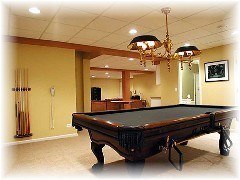 Older homes in Center Square, Pine Hills, and throughout Albany have character that is hard to beat. Their basements also bring a unique set of hurdles: stone foundations, lime mortar, and ceilings that feel a little too close. At Frank R Kennedy & Son Constructio, we approach basement remodeling with a sequence that controls moisture first, then builds a durable, comfortable living space. This guide explains why that order matters in our climate, why fiberglass insulation often fails below grade, and how smart framing can protect headroom while keeping utilities easy to reach. Older homes in Center Square, Pine Hills, and throughout Albany have character that is hard to beat. Their basements also bring a unique set of hurdles: stone foundations, lime mortar, and ceilings that feel a little too close. At Frank R Kennedy & Son Constructio, we approach basement remodeling with a sequence that controls moisture first, then builds a durable, comfortable living space. This guide explains why that order matters in our climate, why fiberglass insulation often fails below grade, and how smart framing can protect headroom while keeping utilities easy to reach.
Why Historic Albany Basements Behave Differently
Many pre-war Albany homes sit on fieldstone or brick foundations set in softer mortar. These walls wick ground moisture, and seasonal freeze-thaw cycles push and pull on every joint. Because the walls were never meant to be part of conditioned living space, they move moisture and air in ways modern poured concrete does not.
Basements near tree-lined streets and sloped lots see runoff during spring melt and heavy summer storms. Even with decent gutters, humidity rises fast in July and August. If you finish a basement without accounting for that moisture, the space will feel damp, smell musty, and wear out early. The fix is planning for water at the start, not the end.
Waterproofing Comes First, Then Framing
Think of finishing a basement like building a raincoat inside the house. The coat needs to shed water, redirect it to safe drains, and keep the warm side dry. Only then should the “sweater” layers go on. Always waterproof before framing. That single step saves walls, floors, and trim from failure later.
A typical professional sequence in Albany looks like this:
- Control roof water: clear gutters, right-size downspouts, and direct leaders away from the foundation.
- Add interior drainage where needed: perimeter channels, dimple mat, and a sump with a reliable pump and check valve.
- Separate moisture from finishes: continuous wall membrane or rigid foam that breaks contact with damp masonry.
- Dehumidification: size a unit for summer humidity and shoulder seasons so interior moisture stays in check.
Only when water is managed should framing start. That keeps lumber, fasteners, and finishes out of the wet zone. It also lets the waterproofing crew test their work before anything is covered.
Why Fiberglass Fails In Albany’s Basements
Fiberglass is fine in dry, above-grade walls. In a basement, it behaves like a sponge inside a plastic bag. Stone and block walls can push cool, damp air through the insulation and trap it. The batts slump, grow musty, and lose R-value. In our freeze-thaw cycles, this gets worse over time. Skip traditional fiberglass against masonry.
Moisture-smart alternatives include rigid foam panels or closed-cell spray foam, installed as a continuous layer against the foundation with sealed seams. That creates a thermal break, manages vapor, and stabilizes the wall temperature so interior air will not condense on cold surfaces. Furring strips or a light steel frame can then hold drywall without touching damp stone.
On slabs, use a vapor barrier and a low-profile subfloor system that tolerates incidental moisture. Many homeowners like luxury vinyl plank or porcelain tile over these systems because they handle seasonal humidity swings without swelling.
Framing Strategies That Protect Headroom
Low ceilings are common in Center Square and Pine Hills. Beams, pipes, and ducts add to the squeeze. The goal is to frame a safe, quiet ceiling without taking precious inches. Here are smart ways to reclaim space:
- Use shallow ceiling systems: resilient channel or hat channel for sound control without a deep drop.
- Run services tight to structure: consolidate wiring and low-profile LED lights between joists. Plan soffits only where needed.
- Choose compact subfloors: rigid foam plus plywood or an engineered panel can perform without raising the floor much.
- Plan doorways and transitions early: align heights so rooms feel connected instead of chopped up.
Where an old beam or main drain crosses a path, frame a clean, minimal soffit rather than lowering the whole ceiling. In some homes, relocating a duct a few inches or using a slim cassette air handler makes more difference than any other choice. For the wall layout, skinny partitions with straight, plumb lines make rooms feel taller and lighter.
Utility Access That Meets Modern Expectations
Every finished basement still needs access to shutoff valves, electrical panels, meters, cleanouts, and filters. The trick is keeping those points reachable without cluttering the room. Keep shutoff valves, cleanouts, and panels accessible. Well-planned utility alcoves, labeled panels, and hinged doors blend in and keep future service simple.
We often design a dedicated service zone near the stair or mechanicals. That zone can house the sump, water heater, and filtration with noise control and ventilation. Removable panels or louvered doors allow air movement and maintenance without dismantling finished walls. Spaces feel safer and look cleaner when equipment is grouped and lit well.
Wall Systems That Work With Stone Foundations
Stone is irregular and rarely flat. Instead of forcing it straight, build a wall that floats just off the stone. A continuous layer of rigid foam hugs the curves, then furring or a light gauge steel frame creates a plumb surface. Seal every seam where air could drift behind the foam. This balance lets the foundation dry to the interior in a controlled way while protecting finishes from contact with damp surfaces.
Bottom plates should sit on a capillary break so moisture from the slab cannot wick into the lumber. Pressure-treated plates with a foam or composite gasket are common choices. Keep fasteners corrosion resistant in areas that may see occasional humidity swings.
Flooring And Finishes Built For Albany’s Seasons
Albany summers run humid. Winters are dry and cold. Basements feel these swings more than upper floors. Look for finishes that hold up year-round:
Plan for dehumidification year-round. A quiet, efficient dehumidifier tied to a drain line prevents weekend spikes from becoming a problem. Choose paperless drywall or cement board near potential splash zones, and use mold-resistant paints. PVC or composite trim handles minor dampness better than finger-jointed wood in below-grade rooms.
Lighting, Sound, And Comfort In Tight Spaces
Shallow fixtures and thoughtful placement brighten short ceilings. Linear LEDs across joists give soft, even light. Add task lighting at desks, craft areas, or a kitchenette. For noise, resilient channels, mineral wool in ceilings, and solid-core doors help isolate living space from footfall and utilities. A small, dedicated supply-return for conditioned air keeps the basement even with the rest of the home so you do not rely on leaky transfers or open doors.
The Right Sequence For Long-Lasting Results
Homeowners often want to jump straight to paint colors and flooring. In basements, patience pays off. Walk the space with a pro, map moisture paths, and stage the work so water is controlled before a single stud is set. If you prefer a turnkey approach, our team coordinates trade partners so the drainage crew, insulation team, and carpenters work in the right order. You can learn more about the process by exploring how we handle basement remodeling on our service page.
Design Moves That Maximize Headroom
Ceiling height drives how a finished basement feels. You may not gain inches, but you can make every inch count. Use a single, level plane across most of the ceiling and tuck utilities into clean, narrow soffits that run wall to wall. Paint ceilings and upper walls in a light, low-sheen color to bounce light. Align doors and openings, and select low-profile trims that do not steal space.
Where code or equipment clearances apply, design for them first, then build the room around those fixed points. That reduces surprises and avoids odd bumps later. Furniture scale matters too. Compact sectionals, built-in benches, and shallow storage keep pathways clear and headroom comfortable.
Moisture Checks Before You Close The Walls
Before drywall, the space should pass a simple checklist: no active water entry during a rain event, sump operates as designed, dehumidifier holds target humidity, and the wall system is sealed. A short pause to verify these items saves weeks of rework if a hidden issue shows up later. When everything is dry and stable, finishes go in faster and last longer.
Albany Neighborhood Nuances
Center Square row homes often have narrow basements with tall stone ledges. Pine Hills homes may have broader footprints with more mechanical runs. In both, fieldstone walls and older utilities ask for a careful layout. We respect what makes each house special and plan finishes that stay out of the foundation’s way. That perspective helps your lower level feel like part of the home, not an afterthought.
When To Bring In A Pro
Basements blend structure, water, air, and mechanical systems. Getting that balance right is less about flashy finishes and more about the quiet details behind the walls. A qualified remodeler will sequence trades, choose materials that suit below-grade work, and coordinate with local inspectors. If you are comparing options, start with experience on stone foundations and low-clearance ceilings, not just price.
To see how a full-service team handles these parts under one roof, visit our remodeling contractor in albany page for an overview of coordinated design and construction.
If you are looking for basement remodeling help in the Albany area, give us a call today at 518-432-9298 or complete our online request form.
|